8 Tips To Grow A Years Worth of Food From Your Garden
How do you grow a years worth of food to feed your family from your garden? It’s a question many people are asking these days. Many have the solution for garden size and how many plants per person. But I hope to fill the gap with answers to questions that aren’t getting answered.
The purpose of this post:
There is something just so wonderful when you look down at your supper plate and only see food that you have grown, preserved, and prepared all from your own land. Growing your own food nourishes more than just your family’s bellies. It anchors you to the seasons of the year as you plant, wait, tend, and harvest plants. It teaches you so many spiritual lessons; from the tiny seed in the ground that brings forth multiplied abundance to the gratefulness and beauty you get to enjoy and see every day in God’s creation.
Growing your own food is also one of the ways, I believe, God intended the family to work together to produce something that benefits the whole family. There is a job for everyone no matter the age. And oh the satisfaction you feel in the middle of winter when you sit down to a bowl of soup made entirely from the produce of your land and your hard work.
When you garden, you grow more than food...
In our world of convenience, it is easy to begin to think the act of gardening isn’t worth it. I mean, you can grab a bundle of carrots at the store whenever you need them for just a few bucks. Why work so hard to grow your own? If you’re reading this post though, I know you desire to produce more than just nourishing food for your family. In the process of growing food to feed your family, I think you will find you will be growing much more than tomatoes. You will be growing faith in God, confidence, strength, rest, determination, love, hope – and so many other wonderful things.
“growing a years worth of food from your garden is not going to be sustainable if it’s not also enjoyable.”
More than the practical questions of what size garden you need to grow a years worth of food and how many plants you need to grow to feed your family for a year, I hope to instead help you think critically and make a garden plan based on your family’s lifestyle, tastes, schedule, and nutrition. Feeding your family from your garden is a way of life not a cut and dry blueprint. Use these questions as an assessment to help you grow a years worth of food and make a plan that works for your unique family’s needs.
What foods does your family eat regularly?
To understand how much food you need to grow to feed your family from your garden, you first need to ask:
- What does your family eat on a regular basis?
- What food items are constantly in your refrigerator?
- Look at the recipes you make, what are the most common ingredients?
- What do you store in your freezer to pull out as an easy side dish?
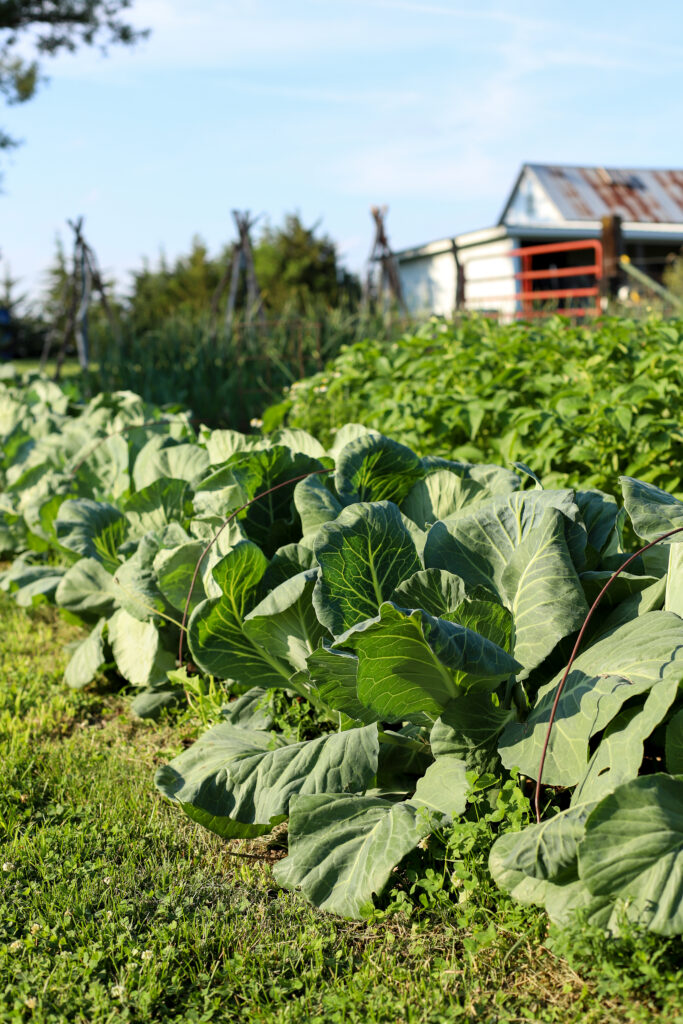
Example: Broccoli, cabbage, green beans, onions, tomatoes and potatoes were the staples we found we used over and over again. These are vegetables that can be used in many different ways and in many recipes for our family.
- What food items could you start eating regularly?
Example: A new food item we began growing would be butternut squash. It grows prolifically and can be used roasted on a sheet pan, mashed, or used in soups. Butternut squash also stores an extremely long time if cured properly.
- What types of foods does your family enjoy eating?
Many people start gardening and grow only the crops you are supposed to grow in a garden. They soon find themselves in the middle of the summer with gallons of tomatoes they don’t even like eating. It’s ok to not grow the traditional garden vegetables. Take an inventory of what you ENJOY eating and grow more of those things!
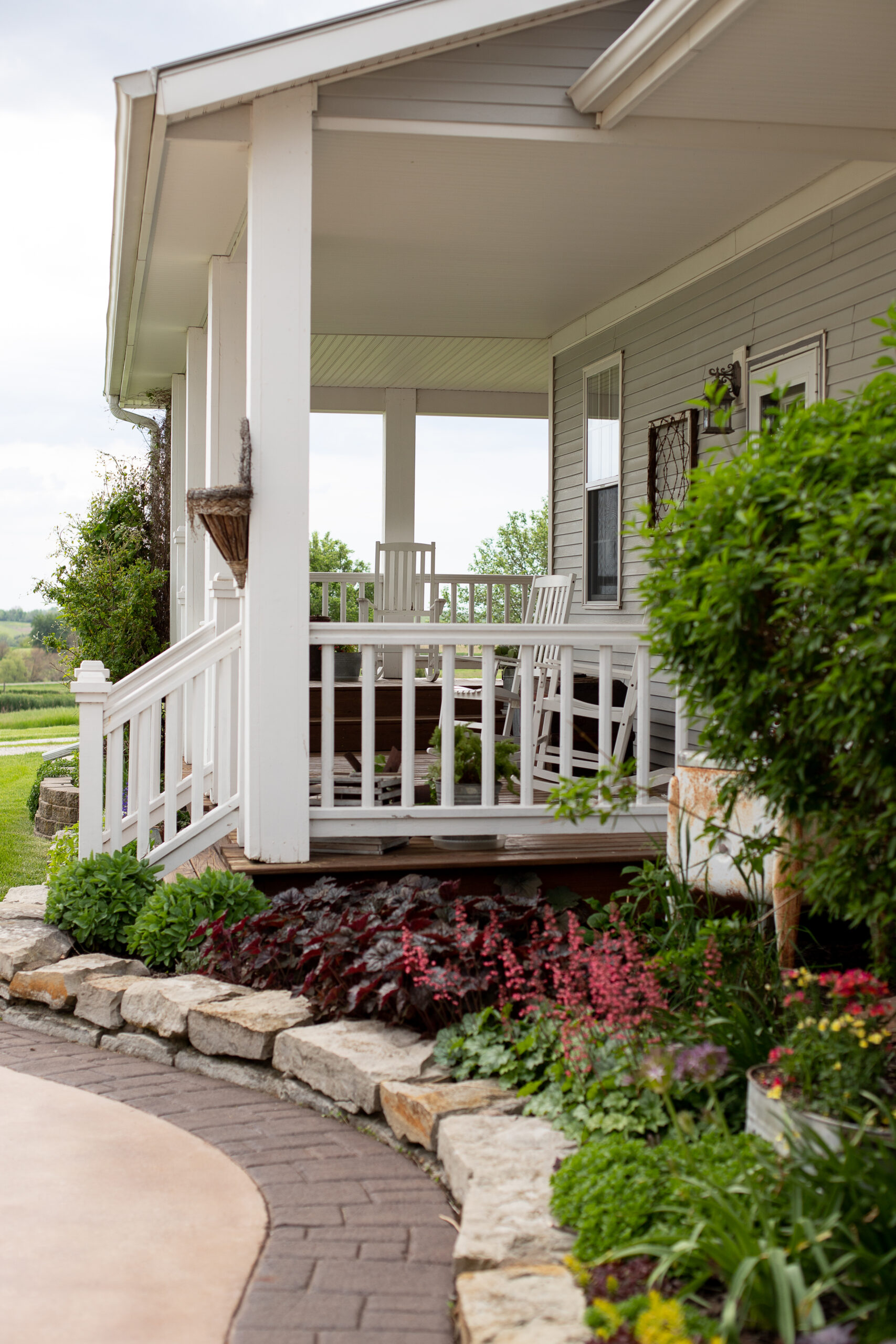
Join us for coffee on the porch!
Join us on the porch for our Substack newsletter and get our newest recipes straight to your inbox. This is a biweekly email for women, wives, and mothers who desire to cultivate homemaking skills, nurture healthy families through homegrown and homemade food, and grow in grace & godliness in the places God has us.
What methods of preservation will you use to grow a years worth of food from your garden?
Choose what you decide to grow based on the time you have for preservation. There have been many times I plant way to much food and then feel so overwhelmed when it comes time to preserve it. Assess the preservation requirements each crop will need when choosing which crops to grow.
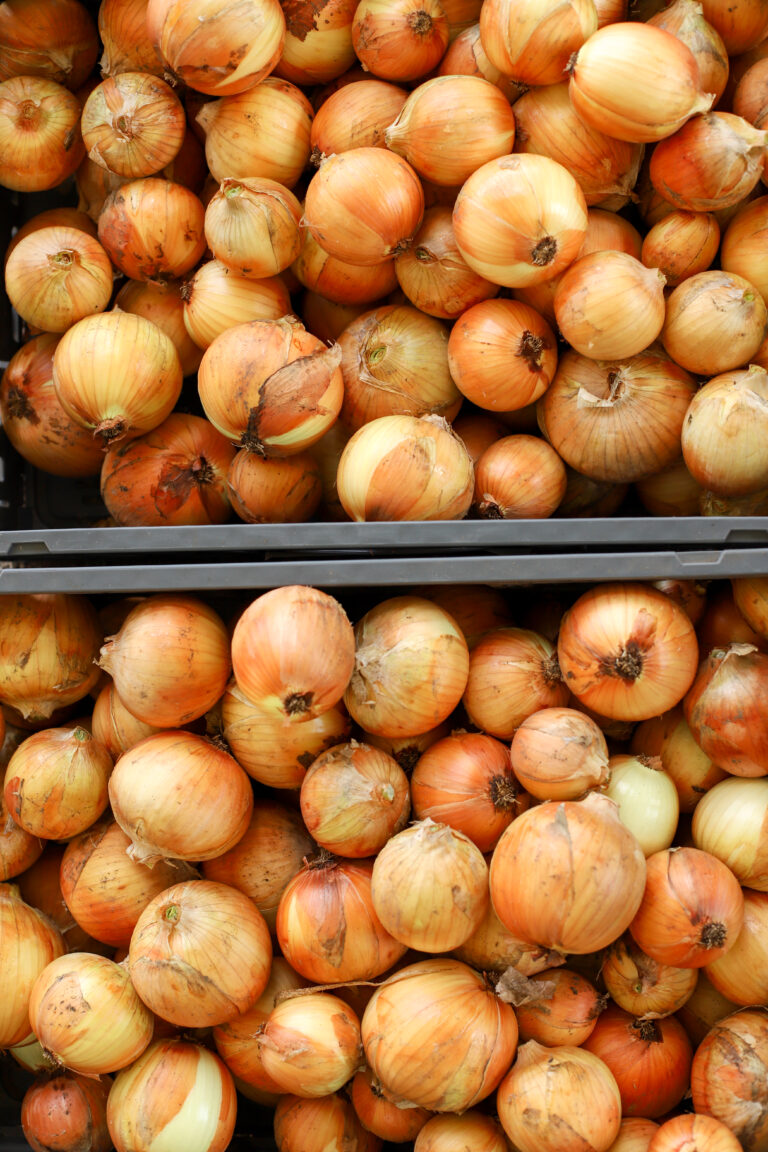
- Root Cellar: Potatoes, sweet potatoes, onions, root vegetables, winter squash can all be stored in a cool, dry, and dark place for several months if cured properly.
- Fermenting: One of the oldest and my favorite forms of preservation that actually improves the nutrition of the crop. I love fermenting sauerkraut and pickles.
- Freezing: Practically everything can be frozen. It is also another great way to preserve food and nutrition. It’s a great way to store tomatoes, spinach, green beans, broccoli, corn, apples, and cauliflower (just to name a few) if you have the space.
- Dehydrating: It’s a great way to dry herbs for seasonings, onions for onion powder, and apples for a snack.
- Freeze Drying: While I don’t have a freeze dryer, it is one of the best ways to preserve literally everything you grow including premade meals while still retaining nutrition.
- Canning: The options are endless when it comes to canning. Canning can be the most time consuming form of preservation though and can also require a lot of ingredients. Make sure you plant your garden based on the recipes you want to preserve.
What do you have time to grow?
There are many ways to look at growing food for a year. The time to commit to growing food may be different for different families.
- Maybe you do not have time to grow a lot of different varieties of crops but you need some hearty staple crops that store well and don’t need to be preserved. Crops like potatoes, winter squash, root vegetables and green beans require very minimal amounts of time to grow and hardly any time to preserve.
- Maybe you have a lot of time and a lot of people that can make growing a variety of crops very feasible. Crops like tomatoes, cucumbers, broccoli, and peppers make great additions to your garden.
Assess the time you have available and what crops may take more commitment to grow, harvest, and preserve. I have given up growing peas because I am always so busy when it comes time to harvest that I miss the harvesting window. I have also condemned myself for not growing a fall garden. But I have realized that by the end of the summer I am beat and a fall garden just isn’t for me right now.
Grow for flavor AND nutrition, not just production!
When planning how to grow a years worth of food from your garden it is easy to be very practical and strictly grow foods with high yield. We forget about the enjoyment we find in the flavor of food and and even the way unique varieties look.
I encourage you to find a balance here. Sometimes you need to grow food because it’s delicious too. Not because it’s easy to grow. Not because it is a heavy producer. And not because it is easy to preserve.
- Consider growing something you’ve never tried before, just to see if you like it!
- Let your kids pick something to try. Maybe this will finally be the vegetable they will eat!
Another element to consider is the nutritional content. Some varieties of plants have been developed for production and not for nutrition. Here are some highly nutritious characteristics to consider:
- Grow heirloom varieties. These are crops that haven’t been modified by humans resulting in nutrition loss.
- Grow crops that have bold colors like purple sweet potatoes, red beets, purple cabbage. Vibrant colors tend to have higher vitamin content.
Grow food you and your family will enjoy growing and eating! Nutritious food often satisfies hungry bellies too.


Do you have the correct growing conditions?
More than just the crop varieties and the seeds you buy, the environment your plant grows in is crucial to the amount your crop produces and the quality of the produce you harvest.
- What is my growing zone? This will impact what types of crops you can grow and how long you will have to grow them.
- How is the health of my soil? Soil health is the key to nutritious produce. It is never to late to improve the health of your soil. Compost and keeping the soil covered with grass clippings, mulch, or leaves can go a long way in feeding the soil so that the soil can feed you.
Eat seasonally:
One of the biggest hurdles in deciding to eat only what you produce in your garden is the mindset and lifestyle change. You will not have the convenience of certain fresh foods during certain times of the year. Your diet will flow with the seasons and with what you have preserved or stored.
Example: It can seem overwhelming to grow a years worth of broccoli for example. However, instead of growing a years worth of broccoli, consider growing only a few months worth and then growing another vegetable for the remaining portions of the year.
- Eat from the garden NOW: While the garden is producing, FEAST! Now is the time to enjoy all the fresh things the spring and summer has to offer. Some things like lettuce, cucumbers, zucchini, or fresh tomatoes don’t taste the same any time of the year except right now. Enjoy them while they last. Some things, like green beans, can be eaten now and enjoyed later with hardly any difference in texture.
- THEN eat what you’ve stored: While you are eating from the garden, begin putting things away too. Then when there is no more fresh to eat you will have plenty stored away. In the winter, eat what you have stored.
Grow one extra large crop of staple vegetables-
Example: We have found that cabbage is a great staple crop for us. It is versatile and can be stored many different ways. We grow a massive crop of cabbage and eat it fresh in slaws or sautéed throughout the summer and into the fall. Cabbage stores well in the refrigerator and in a cool dry place for quite some time. During the summer we are storing some whole cabbages in the refrigerator while also fermenting a lot of it into sauerkraut. At the end of the growing season there are always stragglers that get harvested and stored in the refrigerator or in the basement. From the time we start harvesting cabbage to about the first part of January, we are eating fresh cabbage. Then once the fresh runs out, we begin enjoying sauerkraut.
Learn to make food from scratch & make food stretch!
If you are going to make recipes from produce you have stored and preserved, it requires creativity and the ability to make food from scratch. It also requires you to be flexible with recipes and learn to use and enjoy what you have when you have it.
- Change the way you think about eating: Not only are you going to be the crazy person growing your own food, you are going to also be the one that eats a lot different then those around you. Learn to embrace this. Our meals often consist of a lot of cabbage cooked or prepared in many different ways because it is a very easy vegetable for us to grow and preserve.
- Get creative: Sometimes there isn’t enough of something or maybe you didn’t grow the thing you needed for that recipe. That’s ok. Learn to improvise. A lot of new and delicious recipes have been created this way.
- Learn to do without: Something you didn’t grow enough of this year or something that didn’t grow well this year can help you to know what to improve on in the future.
- Here are some of our favorite Garden To Table Recipes!


Take a year to observe and learn!
Learning to grow a years worth of food from your garden can only come through time and experience based on your specific needs. You will not have the most perfectly planned garden the first year. In fact, it may take you several years to learn the needs of your family, how to tend the plants you grow, how to deal with pest pressure or crop loss, the best way to preserve your harvest, or the amount of food you need to grow to last you a whole year.
Learn to be faithful:
There will be discouragement. It won’t go like you think it should. And there definitely will be weeds. But I can also guarantee you – there will be fruit!
- Plant a garden every year and keep these tips in mind as you plan and assess how the year went.
- Improve one thing each year. Maybe that means growing only one crop that lasts a whole year and the next year growing two crops that last a whole year! Success! This guide can be helpful when deciding how much to plant per person.
- Remember why you are gardening in the first place: Maybe its to feed your family nourishing food, to grow closer as a family, to get closer to the way God created things to work, or all of the above.
- Slow down and enjoy. You only have so many more gardens to plant. The planning, the planting, the watering, the weeding, the harvesting, the preserving, and the eating is all such a gift.

Megan & Amanda, this is so wonderful! I have been learning some of the very same lessons, and being a slow learner, have been at it for about 20 years now. I’m so excited that my grandkids want to come help plant my garden this year. (This will mean as much learning for me as for them.)
What a beautiful blog- I love it! The photographs are amazing!
To everyone else checking out this blog, I want you to know that these ladies really are doing this! This isn’t just a passing whim. Their faith and their garden is the real deal. I’ve swapped some seeds, plant starts, produce and ideas with them for several years and I look forward to reading what else they have to say.
Lorri, Thank you so much for the very kind words and thoughts!!! We love sharing what we are learning and hope it is a blessing to everyone who reads and learns along with us. So excited that your grandkids are old enough this year to help you garden. Because of them, we know it will be one of the best garden years yet!!! Can’t wait to hear the stories! Happy gardening! -Megan & Amanda